
This article was posted on Forbes. Read more here.
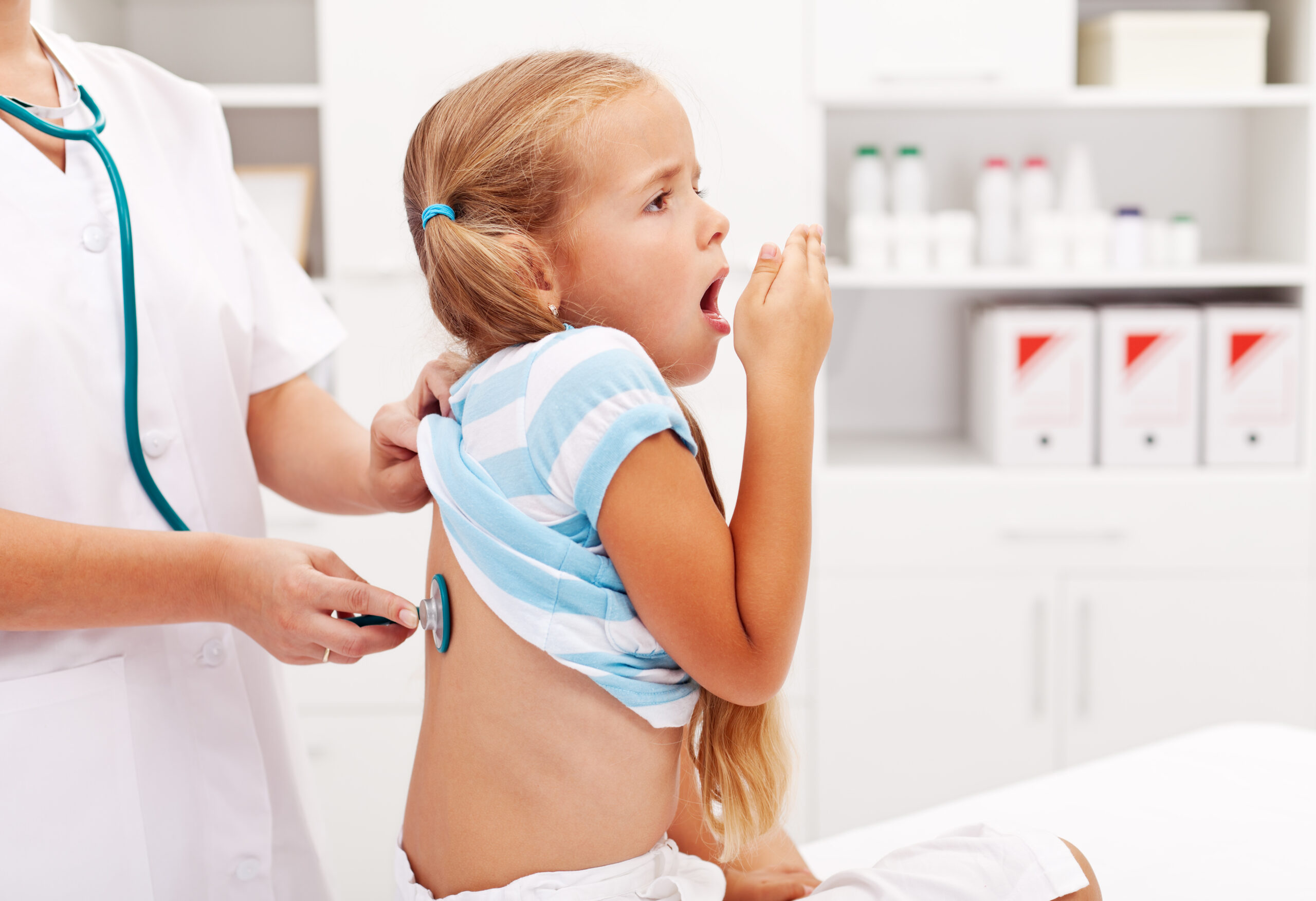
RSV season is upon us, which means thousands of children under five years of age and hundreds of thousands of adults will be hospitalized in the U.S. The Respiratory Syncytial Virus is an extremely common respiratory virus that nearly all individuals are exposed to by the time they are two years of age, and results in up to 80,000 hospitalizations for children under the age of five and up to 160,000 hospitalizations among adults aged 60 years and older, according to the CDC.
RSV season usually starts in the fall, but peaks in the December and January months in the U.S. The virus is extremely contagious and can spread through direct contact like kissing the face of a child with RSV, by touching the surface of an object like a doorknob that has the virus on it or by getting virus droplets in the eyes, nose or mouth from someone around you coughing or sneezing.
Most people who get RSV are contagious for three to eight days, but can be contagious for a day or two even before showing any symptoms. This means that people can potentially spread RSV to others without even knowing they are infected. For some infants and adults with weakened immune systems, they can remain contagious for up to four weeks and can spread the virus even after symptoms have subsided.
The good news is for most individuals, RSV symptoms are mild and go away on their own after a week or two. Common symptoms for most individuals include cough, runny nose, nasal congestion, sneezing and possibly a fever. In a minority of patients, symptoms can be more severe and can include difficulty breathing, wheezing, irritability and dehydration. These patients can develop serious complications such as pneumonia, or infection of the lung; as well as bronchiolitis, or inflammation of the airways.
In these severe cases, patients may need to be hospitalized in order to breathe appropriately. There are no specific treatments for RSV, but rather supportive therapy in the form of pain medications, IV fluids and oxygen. In the most extreme cases, patients may need to be put on a ventilator or a machine in order to breathe properly.
Those most at risk for RSV and its complications include infants, individuals 60 years of age and older, as well as those who have compromised immune systems such as patients with HIV or organ transplant recipients. In addition, patients with chronic medical conditions such as lung and heart disease can be severely affected by RSV.
The risk from RSV can be prevented or at least severely mitigated through RSV vaccines and antibodies that are widely available to the public. Pregnant females at 32 to 36 weeks’ gestation can take Pfizer’s Abrysvo vaccine which will confer protection for the baby against severe infection and hospitalization from RSV for up to six months.
Babies of mothers that did not receive the RSV vaccine can also benefit from an antibody known as Nirsevimab, which offers direct protection for about five months against RSV through pre-formed antibodies injected into the body. Infants eight months of age and younger as well as high risk children between eight and nineteen months can get the antibody. High risk babies include those born prematurely with chronic lung disease, those with cystic fibrosis, those who are severely immunocompromised and those of American Indian or Alaskan Native heritage.
The CDC also recommends everyone 75 years of age and older get the single dose RSV vaccine. Individuals who are 60-74 years of age and at increased risk for severe RSV disease should also get the vaccine. Conditions that increase one’s risk for severe RSV include having chronic medical conditions like heart and lung disease, obesity, being immunocompromised and living in a nursing home. Three FDA approved RSV vaccines are available for adults- GSK’s Arexvy, Pfizer’s Abrysvo and Moderna’s mResvia.
The best way to prevent the spread of RSV is to watch hands regularly and cover the mouth when coughing and sneezing. Cleaning objects and surfaces like doorknobs and countertops as well as using air purifiers can also go a long way in mitigating the spread of the virus that remains the number one cause of infant hospitalizations in America.